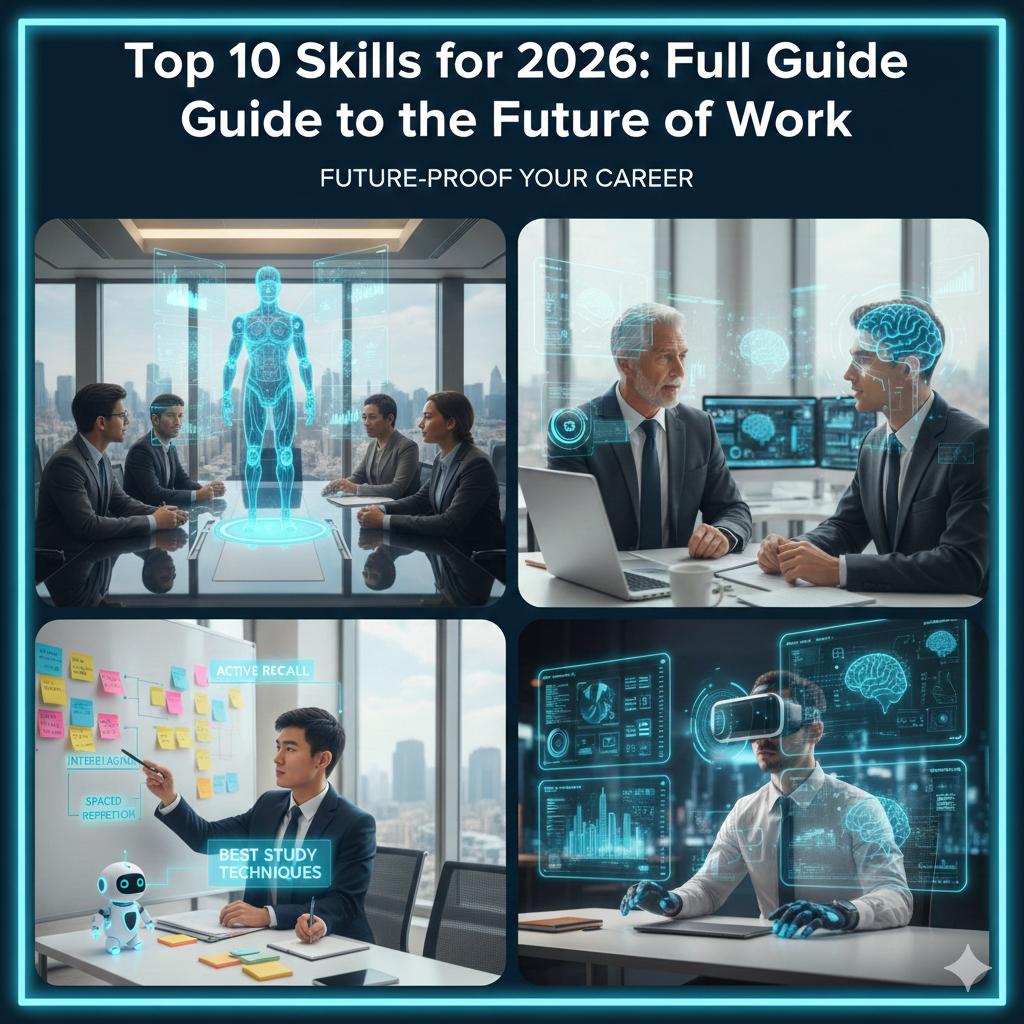
Work is changing very fast. Technology is growing daily. Companies want people who learn quickly. This guide explains the top 10 skills for 2026 in simple English. It is written for researchers and students. You will learn which skills are most needed. You will also learn how to study them. These skills support jobs, research, and business growth. They also help you stay competitive. You can use this blog as a learning plan. Use best study techniques like daily practice, note making, and project work. These steps improve learning speed. They also improve long term memory. Now let us begin.
AI Literacy and Smart Tool Use
AI is now in every field. It is in education, business, and health. AI literacy means you understand AI results. You can also check errors. You can use AI tools for research work. This skill helps you write faster. It helps you analyze ideas. It supports better decision making. Start with basic AI terms. Learn prompts and output checking. Use small tasks daily. Practice with real examples. Save your best prompts. Improve them weekly. This creates strong research ability. AI literacy is a key part of future of work skills 2026. It will stay important for many years.
Data Thinking and Evidence Reading
Data is everywhere. Research depends on it. Business depends on it. Data thinking means you can read numbers and patterns. You can understand charts and tables. You can spot trends. This skill helps in reports and planning. It makes your research stronger. Learn how to collect data. Learn how to clean it. Learn how to explain it in simple words. Use spreadsheets often. Practice with small datasets. Write short findings from your data. This improves your clarity. It also improves ranking content. Search engines like clear and useful explanations.
Critical Thinking for Real Information
Online content is huge. Not all content is correct. Critical thinking helps you find truth. It helps you judge sources. It helps you compare claims. It helps you avoid fake data. For researchers, this is essential. Learn how to verify information. Use trusted sources. Cross-check facts. Read different viewpoints. Write short summaries in your own words. Practice solving case questions. Critical thinking improves logic. It also improves writing quality. Your blog will rank better when it shows clear reasoning. This skill also helps in interviews and leadership roles.
Digital Communication for Hybrid Work
Hybrid work is common now. People work online and offline. Communication is now a major skill. You must write clear emails. You must explain ideas in meetings. You must use tools like Zoom and Slack. You must share tasks clearly. Good communication reduces mistakes. It saves time. It improves team results. For researchers, this helps in papers and presentations. Practice short sentence writing. Practice speaking with clear points. Record your voice and improve. Use simple words. Make your message easy to understand. This is a powerful skill for hybrid workplaces.
Emotional Intelligence for Team Success
Many jobs need teamwork. Teams need trust. Emotional intelligence helps you understand people. It helps you manage stress. It helps you handle conflict. This skill supports leadership and growth. It also improves workplace culture. For research teams, it matters a lot. Learn active listening. Learn calm responses. Learn empathy. Keep a small journal daily. Write what you felt and why. This builds self-awareness. This skill improves your relationships. It increases confidence. Employers value people who can work well with others. This is a top skill for the modern workplace.
Adaptability and Learning Speed
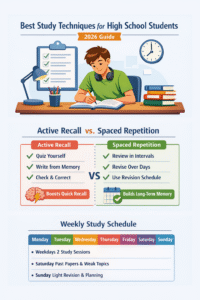
Change is constant now. Tools change quickly. Job roles also change. Adaptability means you can adjust. You can learn new systems. You can shift your thinking. People who adapt stay ahead. They keep growing. They also face less fear. Make learning a habit. Learn one new topic weekly. Try one new tool monthly. Accept feedback. Improve your workflow. This skill connects with best study techniques. Use micro learning. Use spaced repetition. Use small practice tasks. This makes learning easy. Adaptability supports long-term career stability.
Cyber Awareness and Online Safety
Cyber risks are increasing. Data leaks are common. Researchers handle sensitive files. Businesses handle client data. Cyber awareness helps you stay safe online. It helps you protect accounts. It helps you avoid scams. Use strong passwords. Use two-step verification. Do not open unknown links. Learn basic privacy rules. Keep backups. Update your software. This skill builds trust. It shows responsibility. It supports compliance needs. Many employers now test this knowledge. Online safety is simple to learn but powerful in impact.
Creative Problem Solving and Innovation
Routine tasks can be automated. But complex problems need humans. Creative problem solving helps you build new solutions. It helps in research, business, and design. It helps you think beyond normal ideas. Practice brainstorming often. Write five solutions for one problem. Use mind maps. Use design thinking steps. Test ideas with small experiments. Learn from failures. Creativity improves your value. It makes you unique. It also improves your content writing. Search engines reward fresh and helpful content. Innovation is a major advantage in competitive careers.
Self-Directed Learning and Growth
Self-learning is now essential. Courses are available online. But discipline is the real key. Self-directed learning helps you build skills faster. It helps you learn AI literacy. It helps you learn data tools. It helps you learn communication skills. Start with clear goals. Use a weekly plan. Study in small blocks. Use active recall. Teach what you learned to someone. This makes memory stronger. Use notes and flashcards. Track progress weekly. This skill makes you independent. It also makes you more employable and future ready.
Ethical Reasoning and Responsible Work
Technology can create harm if misused. AI can create bias. Data can be misread. Ethics helps you act responsibly. It helps you protect people. It helps you follow rules. Researchers need ethics for studies. Businesses need ethics for users. Learn how to cite sources. Avoid plagiarism. Respect privacy. Report truthfully. Think about impact. Read real case studies. Discuss ethical issues. This skill builds credibility. It builds long-term reputation. It improves research quality. Responsible work will define strong professionals.
Best Study Techniques to Master These Skills
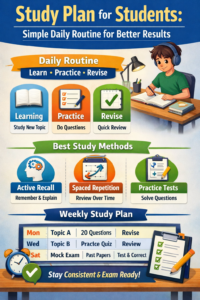
Use a simple study system. Study daily for 30 minutes. Focus on one skill each week. Use spaced repetition. Use active recall. Practice with small projects. Learn by doing. Write short summaries. Use real examples. Join online communities. Ask questions and share learning. Review weekly progress. These best study techniques build strong results. They also improve research performance. They help you stay consistent. Consistency beats speed. With this method, you can master the top 10 skills for 2026 step by step.
Final Thoughts
The job market will reward smart learners. The future will reward adaptable thinkers. The top 10 skills for 2026 are not only for jobs. They are also for research and growth. Start with one skill today. Practice it daily. Build a learning routine. Use best study techniques. Track progress. Within months, you will see change. Your confidence will improve. Your work quality will improve. Your career chances will improve. This is the best way to prepare for the future of work skills 2026.